

Jackson’s Story: The Brutal Reality of AML
About AYA Unfiltered: The Jackson Copeland Foundation exists to help Adolescent and Young Adult (AYA) leukemia patients navigate the overwhelming nature of this terrible disease. AYA Unfiltered is our commitment to telling the whole truth. In this series, we highlight the good, the bad, and the ugly side of leukemia as a young adult—sharing stories of triumph, stories of loss, and the messy reality in between. Today’s story is about our namesake; our beloved Jackson Copeland, as told by his mother, Claire. Please Note: Today’s story discusses end-of-life care and grief.
It started so subtly.
A few weeks before our world shattered, I noticed Jackson’s lips looked unnaturally pale. He seemed tired, and his appetite was gone—which was so unlike him. I convinced him to get some blood work done, thinking maybe he was just anemic.
On March 26, 2022, while Jeff and I were out of town on business, Jackson called us. His doctor had told him go to the ER immediately: “There is something wrong with your blood work.”
He followed the doctor’s advice and he was admitted immediately.
Terrified, we caught the next plane home. By the time we landed, the doctors had already delivered the news to Jackson while he was completely alone in that hospital room.
A scared 20-year-old, sitting alone, hearing the words: “You have leukemia”. It still makes me so angry thinking they didn’t wait for anyone to be by his side.
He was transferred to Moffitt Cancer Center in Tampa where a bone marrow biopsy confirmed Acute Myeloid Leukemia with a FLT-3 mutation. An aggressive, fast-moving blood cancer.
He spent over a month receiving harsh induction chemotherapy. He lost his hair and suffered excruciating mucositis—mouth and throat sores so painful that swallowing was agony. Yet, he fought through it.
At the end of that month his marrow showed Minimal Residual Disease negative (MRD-), and he was allowed home with a plan for consolidation chemo and a bone marrow transplant. The only path that offered the chance of a cure.
Jackson was forced to grow up in an instant. His whole life interrupted. He was brave and asked thoughtful questions, although he always maintained one strict rule: “Don’t give me the odds. I don’t want to know.“
But with the internet at his fingertips , he couldn’t hide from the reality that his prognosis was daunting.
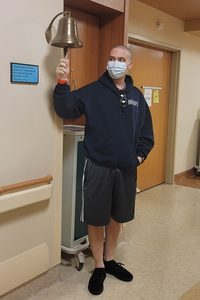
Just 2 weeks after celebrating his 21st birthday, he went through more aggressive chemo to wipe out his bone marrow, in preparation for his “rebirth day”—a Stem Cell/ Bone Marrow Transplant on July 7, 2022. The procedure itself was simple, similar to a transfusion. However the weeks that followed were tough; marked by neutropenic fevers, profound fatigue, nausea, and severe mucositis. As the stem cells began to engraft and his blood counts improved he was finally discharged Day +14. He rang the bell on August 5th 2022.
But we were not allowed to return home, instead we were required to stay within 30 minutes of the hospital. We rented an apartment for 90 days of near-daily appointments. Jackson needed 24/7 care as he battled juggling work and medical schedules. Jeff and I never left his side.
Those few months were grueling as he battled Graft-versus-Host Disease (GVHD) in his skin and GI tract, He was weak and tired and constantly nauseous, but gradually gained strength as is donor marrow engrafted.
By early December 2022, he was down to weekly appointments and his marrow was at 99% donor chimerism, and we allowed a well-earned family vacation. We were so hopeful.
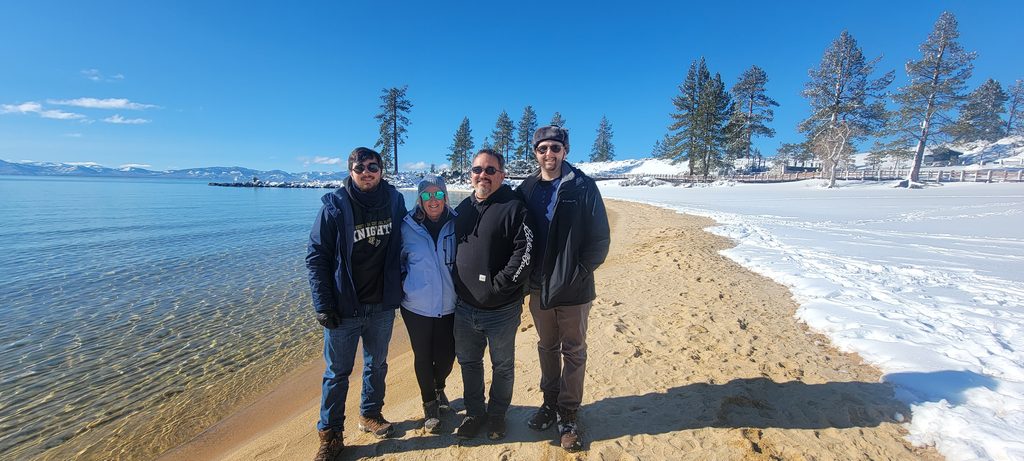
Then on December 29, 2022, following a routine bone marrow biopsy we received the gut punch we had dreaded most: The leukemia was back.
Less than five months. Five months of hope, strength and bravery. Day +175.
It was devastating. Jackson was preparing to move in with his girlfriend, return to college, and resume his service as an Intel Specialist in the Navy Reserves. Instead, his entire future was ripped away again.
His team recommended “salvage therapy”— a combination of 3 chemo drugs, including an FLT-3 inhibitor, alongside a Donor Leukocyte Infusion (DLI) from his original donor.
“Salvage” – The word alone carries so little hope.
The next year became a blur. A year of constant setbacks and complications.
Jackson soon required weekly transfusions. And although he briefly reached MRD-, his blast counts again began to rise. It was so up and down. His medical team determined that his only remaining option was a second transplant. But first they needed to get him into remission.
He was taking what felt like a hundred pills a day—chemo pills, medications to counteract the side effects of the chemo, anxiety medications, and supplements to replace what the treatment stripped away. But his blood counts never truly recovered. His Absolute Neutrophil Count (ANC) remained dangerously low and without a functioning immune system, he faced continuous infections. Every fever meant a rush to Moffitt Urgent Care, usually resulting in month-long hospitalizations for intravenous antibiotics and antivirals, including several stays in the ICU.
He endured many complications, issues with his lungs, GI problems, BK virus, and endless MRIs, CT scans, EKGs, and echocardiograms as doctors monitored his heart, lungs, liver, and kidneys. Unable to retain platelets, or hemoglobin, he began requiring transfusions twice a week.
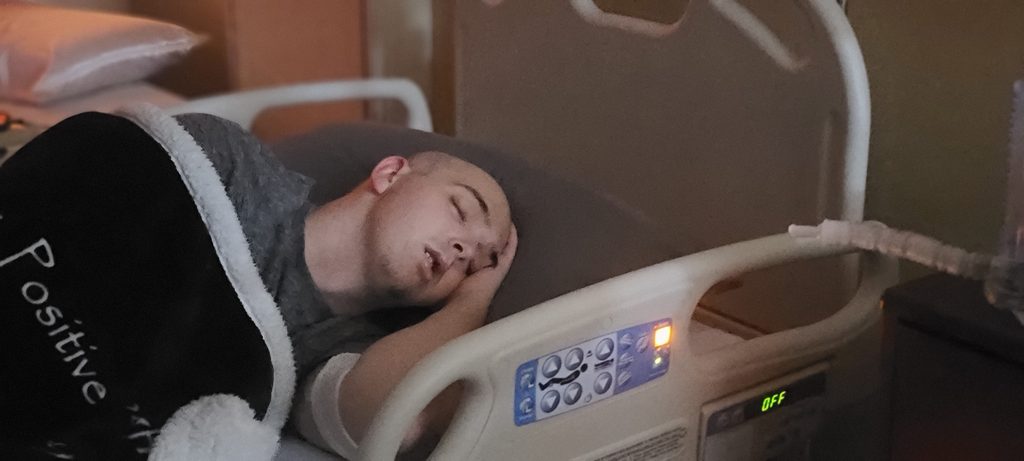
Doctors adjusted his chemo regimens and enrolled him in a promising clinical trial. The trial was extraordinarily hard on his body, causing severe abdominal swelling, only for us to learn two months later that it wasn’t working. They took him off the trial.
Through every new medication change, we fought with his insurance company while watching Jackson grow weaker and sicker. He lost an alarming amount of weight, experienced frequent vomiting and fainting spells, meaning he could never be left alone. His gums bled constantly, and he suffered nose bleeds that lasted 24 hours. The hospital had become our second address.
Then, a new drug combination showed promise. His blast count dropped below 5%—the threshold required for a second transplant. I remember crying tears of relief in the doctor’s office. Yet, behind our hope, we quietly wondered how his fragile body could withstand another transplant.
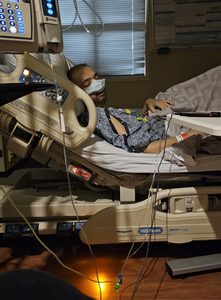
In January 2024, after weeks of persistent nasal congestion and respiratory issues, we learned Jackson had a severe necrotizing fungal infection. He required emergency surgery to remove as much infected tissue as possible before it reached his brain, taking care not to collapse his nasal cavity. It was terrifying.
What followed was another month in the hospital, heavy anti-fungal and anti-viral regimens, outpatient transfusion appointments every other day, and IV medications administered at home twice daily. Things were spiraling downward. Jackson was growing weaker, and his second transplant was placed on hold.
More infections followed—including C. diff—alongside cardiac complications, endless medication adjustments, nausea, fainting, and bleeding. When the blasts returned again, his doctor gently raised the option of discontinuing treatment. But Jackson refused to give up. He was relentless.
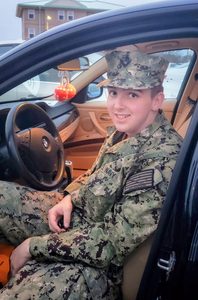
Beyond the physical devastation, the emotional weight was profound. Before diagnosis, Jackson was an Intelligence Specialist with the U.S. Navy Reserve, working toward a degree in Political Science, and planning a future with his high school sweetheart of six years. He had been so excited for what lay ahead. Suddenly, his youth was stolen. While his peers were finishing college, launching careers, traveling, and stepping into adulthood, Jackson spent two years facing his own mortality. Forced into isolation, he had to rely completely on us, his parents, just as he was supposed to be gaining his independence. The Navy discharged him. And to compound his pain, his girlfriend abandoned him. He was so painfully & profoundly lonely, watching the world move on outside his window.
On March 31, 2024—Easter Sunday, and also my (and Jeff’s) birthday—Jackson felt very ill. He could barely walk, but he tried to put on a brave face, wanting to spare us a trip to urgent care on our birthday. We insisted on going.
We nearly lost him that night. He began vomiting blood, his blood pressure kept dropping and he began to crash. Terrified, we begged him to hold on, as an army of nurses and doctors tried to save him.
That night marked the beginning of his final month in the hospital. He was admitted to the ICU with a severe GI obstruction from inflammation and internal bleeding. He developed sepsis. His port, thought to be causing the infection, was removed and replaced with a PICC line. Unable to eat, he was placed on total parenteral nutrition (TPN) and required multiple daily transfusions of blood and platelets. Fevers were constant. He required several IVs in both arms, to keep up with his necessary medication administration. The nursing staff couldn’t keep up. He continued to lose weight. He required oxygen. The left side of his face became paralyzed from Central Nervous System (CNS) involvement. He lost hearing in his right ear and experienced periods of confusion. He was so scared. We all were.
When his targeted chemotherapy began affecting his heart, doctors had to stop the medication. We were left without a path forward.
With the blasts returning again, Jackson made the brave decision to come home for the last time. He told us he was at peace, and as a family, we accepted his choice.
All I kept thinking was How? How can he be at peace? He was 22 years old! He should have had a long and beautiful life ahead of him. All of it was so unfair.
But his body was exhausted, ravaged, and unable to fight any longer. For over two years, he had fought this cruel disease with extraordinary courage, maturity, resilience, an indomitable spirit, and a sharp sense of humor.
We had just five days with him at home. The last time we heard him laugh was three days before he passed. He slept all the time, beyond the reach of conversation. Without the constant transfusions that kept him alive his body quietly let go.
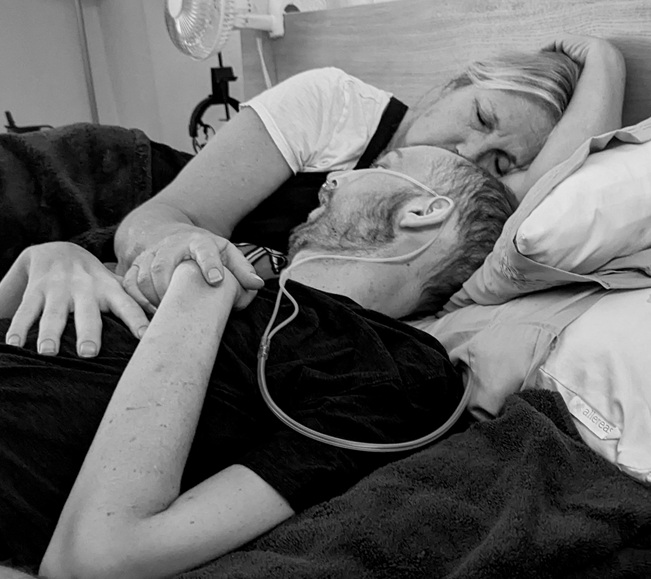
We held him as he took his final breath. He was surrounded by love, finally at peace, and entirely free from pain.
The heartbreak, trauma, and utter helplessness of watching your child endure such suffering is indescribable.
And this is why we do what we do.
Jackson fought with a bravery that redefined the word for us. Today, we carry that bravery forward. We are not just a foundation; we are a family of fighters, survivors, and advocates dedicated to ensuring that one day, no patient has to endure what Jackson did, and no parent has to know this profound loss.
Jackson’s fight didn’t end. It just grew.
Fly high, my darling boy. We love you always.
Leave a Reply